Mjekët e rinj nuk kanë nevojë të presin – kanë nevojë të punojnë
Çdo vit në Kosovë diplomojnë mjekë të rinj të cilët, pas gjashtë viteve të studimeve intensive, përballen me një periudhë të gjatë pasigurie. Në vend që të hyjnë në një sistem të organizuar pune, edukimi dhe mbikëqyrjeje, shumica detyrohen të presin një mundësi për punësim ose specializim.
Ndërkohë, sistemi ynë shëndetësor vazhdon të përballet me mungesë të stafit, mbingarkesë të specialistëve, lista të gjata të pritjes dhe pamundësi për t’u ofruar pacientëve kohën dhe kujdesin që meritojnë.
Ky është një paradoks që duhet të ndryshojë.
Kosova vazhdon të jetë ndër vendet me numrin më të ulët të mjekëve në Evropë, me rreth 1.5 mjekë për 1,000 banorë të punësuar ne sektorin publik, dukshëm nën mesataren e vendeve të Bashkimit Evropian.
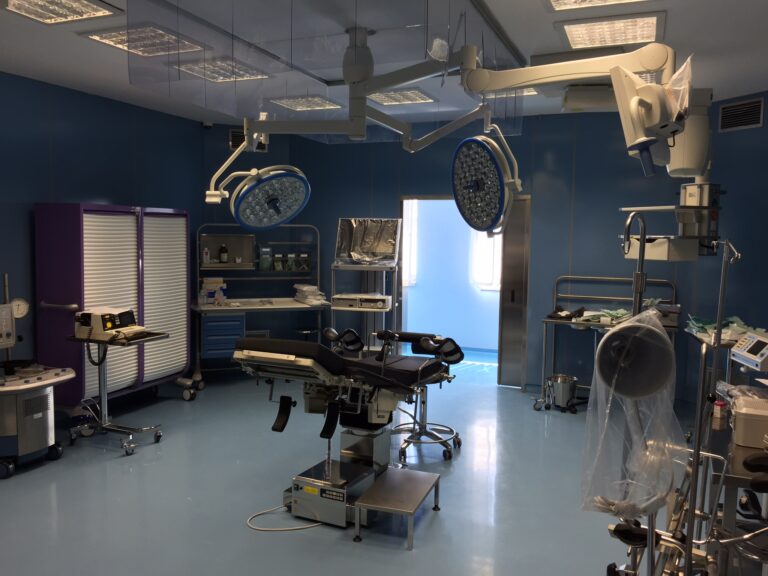
Është e vërtetë që Kosova ka më pak shtretër spitalorë për kokë banori sesa shumica e vendeve të rajonit dhe të Bashkimit Evropian. Megjithatë, problemi ynë nuk është vetëm numri i shtretërve, por mënyra se si i shfrytëzojmë ato. Sipas Raportit të Punës së SHSKUK-së për vitin 2025, shfrytëzueshmëria e shtretërve në QKUK ishte rreth 74%, ndërsa në spitalet e përgjithshme vetëm rreth 48%. Kjo tregon se një pjesë e konsiderueshme e kapaciteteve spitalore mbetet e pashfrytëzuar.
Kjo nuk ndodh sepse mungojnë pacientët. Në shumë raste ndodh sepse mungojnë ekipet e plota klinike për t’i aktivizuar këto kapacitete.
Një numër më i madh mjekësh të rinj, të integruar në mënyrë të organizuar në repartet spitalore dhe në kujdesin parësor, do të rriste kapacitetin operacional të institucioneve, do të mbështeste specialistët në punën e përditshme dhe do të mundësonte shfrytëzim më efikas të burimeve ekzistuese.
Aktualisht, mjekët e rinj duhet ta kryejnë një stazh gjashtëmujor, zakonisht pa pagesë. Në teori, kjo periudhë duhet të shërbejë si ura ndërmjet studimeve dhe praktikës profesionale. Në praktikë, shpesh bëhet fjalë për një proces jo mjaftueshëm të strukturuar, me mungesë të mentorimit të rregullt, pa objektiva të qarta të kompetencave dhe, në shumë raste, pa mbikëqyrjen që duhet ta ketë çdo mjek në fillim të karrierës. Një mjek i ri mund të kalojë gjashtë muaj në një institucion shëndetësor pa pasur një mentor të përcaktuar, pa një plan të qartë pune dhe pa një vlerësim real të asaj që ka mësuar. Ai është fizikisht i pranishëm në institucion, por jo domosdoshmërisht i integruar në sistem.
Në vendet me sisteme të zhvilluara shëndetësore, periudha pas diplomimit trajtohet krejt ndryshe. Mjeku i ri nuk konsiderohet si dikush që duhet të presë, por si profesionist në fillim të karrierës, i cili duhet të punojë, të mësojë dhe të zhvillohet nën mbikëqyrje.
Në Mbretërinë e Bashkuar, pas përfundimit të studimeve, çdo mjek hyn në një program dyvjeçar të strukturuar, ku punësohet me pagë të plotë në sistemin publik shëndetësor. Gjatë kësaj periudhe ai kalon në disa shërbime klinike, merr pjesë në trajtimin e pacientëve, në kujdestari dhe në punën e përditshme të ekipeve mjekësore. Çdo hap shoqërohet me objektiva të qarta, mentorim dhe vlerësim të vazhdueshëm. Vetëm pas përfundimit të kësaj faze vazhdon rrugëtimin drejt specializimit.
Në Gjermani modeli është paksa ndryshe, por filozofia është e njëjtë. Pas licencimit, mjeku punësohet menjëherë në spital dhe fillon punën klinike nën mbikëqyrjen e specialistëve. Ai është pjesë e stafit, merr pagë, ka përgjegjësi të përcaktuara dhe mëson çdo ditë duke punuar me pacientët. Sistemi investon tek ai që nga dita e parë, sepse e konsideron burim të rëndësishëm njerëzor.
Kosova nuk ka nevojë ta kopjojë verbërisht as modelin britanik dhe as atë gjerman. Por mund të marrë elementet më të mira nga të dyja dhe t’i përshtatë sipas nevojave të sistemit tonë.
Për këtë arsye besoj se është koha të krijohet një kategori e re profesionale: Mjeku Asistent.
Mjeku Asistent është mjeku i sapodiplomuar dhe i licencuar, i cili punësohet në sistemin publik për një periudhë të caktuar, për shembull 24 muaj, me qëllim që të fitojë përvojë klinike të strukturuar dhe të kontribuojë në sistem nën mbikëqyrjen e specialistëve.
Gjatë kësaj periudhe, mjekët e rinj mund të punonin në QKUK, në spitalet e përgjithshme, në qendrat kryesore të mjekësisë familjare dhe në institucione të tjera publike. Ata mund të kalonin nëpër rotacione të ndryshme, duke fituar përvojë në mjekësinë interne, kirurgji, pediatri, urgjencë, gjinekologji dhe mjekësi familjare.
Secili Mjek Asistent duhet të ketë një mentor të emëruar, një plan pune, kompetenca të përcaktuara dhe një sistem të rregullt vlerësimi.
Roli i tij /saj do të ishte ta mbështeste specialistin dhe mjekun ne specializim. Ai/ajo mund të merrte anamnezën, të kryente ekzaminimin fillestar, të përgatiste dokumentacionin mjekësor, të përcillte pacientët e hospitalizuar, të merrte pjesë në vizita, kujdestari dhe procedura klinike, gjithmonë brenda kompetencave të përcaktuara dhe nën mbikëqyrjen e specialistit.
Një program i tillë duhet të jetë i paguar. Nuk është e pranueshme që një mjek, pas gjashtë viteve studime, të punojë me pacientë dhe të mbajë përgjegjësi profesionale pa u paguar. Pagesa është pranim institucional se mjeku i ri është pjesë e sistemit, se prej tij kërkohet përgjegjësi dhe se shteti po investon në zhvillimin e tij profesional.
Kostoja e punësimit të një Mjeku Asistent është shumë më e ulët sesa kostoja dhe dëmi që ka sistemi nga mosshfrytëzimi i kapaciteteve spitalore, mbingarkesa e specialistëve ose largimi i mjekëve të rinj jashtë vendit.
Puna si Mjek Asistent mund të njihej edhe gjatë konkurrimit për specializim. Performanca, vlerësimet e mentorëve, rezultatet profesionale dhe puna në zonat me mungesë të stafit mund të sillnin pikë shtesë në procesin e përzgjedhjes.
Çka është më e rëndësishmja një model i tillë do të ndihmonte në uljen e emigrimit të mjekëve të rinj. Shumë prej tyre nuk largohen vetëm për shkak të pagës. Ata largohen sepse nuk shohin perspektivë, nuk kanë mundësi të punojnë dhe nuk e dinë sa vite duhet të presin për të filluar karrierën.
Nëse Kosova u ofron punësim të menjëhershëm, mentorim cilësor dhe një rrugë të qartë të zhvillimit profesional, shumë prej tyre do të zgjedhin të ndërtojnë karrierën në vendin tonë.
Prandaj besoj se ka ardhur koha që Kosova ta zëvendësojë stazhin gjashtëmujor pa pagesë me një Program Kombëtar të Mjekut Asistent – të paguar, të strukturuar, të mbikëqyrur dhe të ndarë qartë nga specializimi.